
Visa Run from Da Nang to Lao Bao: Complete 2026 Guide
A practical 2026 guide to doing a visa run from Da Nang to Lao Bao border, including route, timing, documents, Vietnam e-visa tips, Laos entry notes, costs, mistakes, and checklist.

Last updated: April 30, 2026. If you are staying in Da Nang, Hoi An, or central Vietnam and your Vietnam visa is close to expiring, the Lao Bao border is usually one of the most practical land-border options for a visa run. This guide explains how the Da Nang to Lao Bao visa run works in 2026, what to prepare, what can go wrong, and when it makes sense to book support instead of trying to manage the whole day alone.
For travelers who want a smoother trip with document pre-check, pickup support, and a same-day route plan, our Da Nang Visa Run Service can help you prepare before border day.
Quick Answer: Can You Do a Visa Run from Da Nang to Lao Bao in 2026?
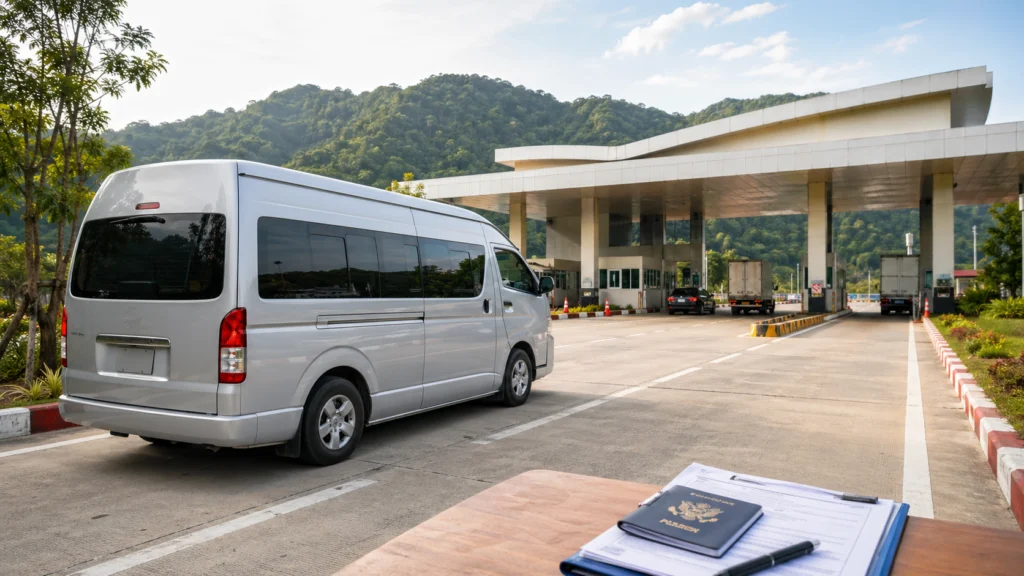
Yes. In most normal cases, a visa run from Da Nang to Lao Bao can be done as a long same-day trip. The usual route is Da Nang to Dong Ha, then west toward Lao Bao International Border Gate in Quang Tri Province. On the Laos side, the corresponding checkpoint is commonly referred to as Dansavanh or Dansavan.
The trip is not complicated, but it is unforgiving if your documents are wrong. The most important point is this: if you plan to re-enter Vietnam with a Vietnam e-visa, the entry port on your e-visa must match the border you intend to use. For Lao Bao, make sure the Vietnam e-visa lists Lao Bao as the entry checkpoint.
Who This Guide Is For
This guide is written for foreigners in central Vietnam who need to leave Vietnam and come back with a new visa, e-visa, or valid entry permission. It is especially useful if you are:
- Staying in Da Nang, Hoi An, Hue, or nearby areas.
- Using a Vietnam e-visa and your stay is about to expire.
- A digital nomad, tourist, expat, or business traveler planning your next legal entry.
- Unsure whether private transfer, group bus, or a flight run is better.
- Worried about choosing the wrong Vietnam e-visa entry port.
This article is practical travel information, not legal advice. Final immigration decisions are always made by the relevant authorities at the border.
2026 Visa Context: Vietnam E-Visa and Lao Bao Border
Vietnam’s official tourism website states that, from August 15, 2023, Vietnam e-visas are available to citizens of all countries and territories, with a duration of up to 90 days and validity for multiple entry. The same official guide also lists Lao Bao among the land border gates where foreigners with e-visas may enter Vietnam. You can verify the current official details on the Vietnam Tourism e-visa guide and apply through the Vietnam e-visa official website.
This matters because many visa run problems happen before the traveler even leaves Da Nang. A wrong date, wrong passport number, wrong entry port, or unapproved e-visa can turn a long day into a stressful one.
Da Nang to Lao Bao Route Overview

The common route is:
- Da Nang to Hue area: Highway north along the coast and city roads.
- Hue to Dong Ha: Continue through Quang Tri province.
- Dong Ha to Lao Bao: Head west toward the Vietnam-Laos border.
The exact driving time depends on pickup location, traffic, road conditions, rest stops, and border queues. From Da Nang, many visa runs to Lao Bao are planned as a full-day trip, not a short transfer.
What You Need Before You Go

Before leaving Da Nang, check these items carefully:
- Passport: Ideally valid for at least six months from your planned re-entry date.
- Current Vietnam visa or stay permission: Know the exact last legal day of your current stay.
- New Vietnam e-visa: Approved, printed, and showing the correct passport details.
- Entry port: The e-visa should list Lao Bao if you are returning through Lao Bao.
- Cash: Bring USD and VND. Do not rely on card payment or ATMs at the border.
- Passport photos: Bring at least one or two recent passport-style photos.
- Phone battery: Bring a power bank, but also carry printed documents.
- Snacks and water: The day is long and food options may be limited.
Print your Vietnam e-visa. A phone copy is useful as backup, but a printed copy is still the safer option at land borders.
Important Laos Entry Note
To complete a visa run, you generally need to legally exit Vietnam, enter Laos, then exit Laos and return to Vietnam. Do not assume that a Laos eVisa works at every border. The official Lao eVisa website lists specific designated eVisa ports, and travelers entering through non-designated ports may need a visa on arrival or another valid visa arrangement. Check the current official Laos eVisa port list on the Lao eVisa FAQ and Lao eVisa official information page before your trip.
Because port rules and visa-on-arrival practices can change, confirm your Laos entry option before travel day, especially if your nationality has special requirements.
Step-by-Step: Same-Day Visa Run from Da Nang to Lao Bao
1. Confirm Your New Vietnam Entry Permission
Do not leave Da Nang until your new Vietnam e-visa or re-entry permission is ready. The approval should match your passport exactly. Check name order, passport number, date of birth, nationality, validity dates, and entry port.
2. Leave Da Nang Early
Most same-day trips leave very early in the morning. This gives you enough time for the drive, border processing, Laos entry and exit, and return to Da Nang. Late departures increase the risk of reaching the border under time pressure.
3. Arrive at Lao Bao and Exit Vietnam
At the Vietnam side, you present your passport and current stay permission. Immigration will process your exit and stamp you out of Vietnam if everything is in order. Stay calm and follow the driver’s or guide’s instructions if you are traveling with a service.
4. Enter Laos at Dansavanh
After leaving Vietnam, you continue to the Laos side. Depending on your nationality and current rules, you may need a Laos visa on arrival or another valid Laos entry arrangement. This is where photos and cash are important.
5. Exit Laos
After legally entering Laos, you complete the exit process from Laos. Timing and procedure can vary, so follow the official process at the checkpoint.
6. Re-Enter Vietnam at Lao Bao
Return to the Vietnam side and present your passport plus your valid Vietnam e-visa or entry permission. If the e-visa is valid and the border officer approves entry, you receive a new Vietnam entry stamp.
7. Return to Da Nang
After re-entry, you return to Da Nang. Expect to arrive back tired. Keep your new stamp and e-visa copy safe, and check the entry date and permitted stay before leaving the border area.
How Long Does the Da Nang to Lao Bao Visa Run Take?
Plan for a full day. A smooth trip can still feel long because the drive is several hours each way. Border processing may be quick or slow depending on queues, staffing, holidays, your nationality, documents, and group size.
A realistic expectation is:
- Early morning: Pickup in Da Nang or Hoi An area.
- Late morning to midday: Arrive near Lao Bao border.
- Midday to afternoon: Complete Vietnam exit, Laos entry/exit, and Vietnam re-entry.
- Afternoon to evening: Return to Da Nang.
Do not schedule an important meeting, flight, or non-refundable booking immediately after a visa run. Delays happen.
How Much Does a Visa Run from Da Nang to Lao Bao Cost?
The total cost depends on three things: transport, Laos entry costs, and your Vietnam visa or e-visa costs. Public transport may look cheaper, but it can be harder to manage timing, border steps, and same-day return. Private or organized transport usually costs more but reduces uncertainty.
Typical cost categories include:
- Transport: Private car, shared van, limousine, bus, or custom group vehicle.
- Laos entry cost: Depends on nationality and the current Laos entry option available to you.
- Vietnam e-visa: Paid separately through the official application process or through support services if you use one.
- Food and drinks: Bring cash for snacks, water, and simple meals.
- Emergency buffer: Carry extra cash for unexpected delays or small fees.
The cheapest option is not always the best option. If your visa expires soon, if you are traveling with family, or if you are not comfortable at land borders, paying for a more organized trip can be worth it.
Private Car vs Group Bus: Which Is Better?
Private Car
A private car is usually best if you want flexible pickup, more comfort, fewer unknown passengers, and a calmer day. It is also better for families, older travelers, people carrying luggage, or anyone who gets anxious about border timing.
Group Bus or Shared Van
A shared option may be more budget-friendly. It can work well if you are flexible, comfortable with group timing, and have straightforward documents. The tradeoff is less control over stops, waiting, seating, and return time.
Public Bus
Public transport can be the cheapest option but is the least predictable for a same-day visa run. It may require transfers and more self-management. If you are doing your first Vietnam-Laos border run, this is usually the most stressful route.
Common Mistakes to Avoid
- Choosing the wrong Vietnam e-visa entry port. This is one of the biggest mistakes. If returning through Lao Bao, your e-visa should match Lao Bao.
- Leaving before the new e-visa is approved. A pending application is not enough.
- Only carrying a phone copy. Print your e-visa and key documents.
- Not bringing cash. Borders are not the place to depend on card payment.
- Waiting until the last day. If anything goes wrong, you have no buffer.
- Ignoring Laos entry rules. Check whether your nationality can use visa on arrival or needs another arrangement.
- Assuming re-entry is guaranteed. It is not. Immigration officers make the final decision.
Checklist Before Booking Your Lao Bao Visa Run
- Passport valid for at least six months.
- Current Vietnam visa or stay permission checked.
- New Vietnam e-visa approved.
- Entry port on e-visa says Lao Bao.
- Printed e-visa copy packed.
- Passport photos packed.
- USD and VND cash packed.
- Laos entry option checked for your nationality.
- Pickup time confirmed.
- Phone, charger, water, and snacks ready.
FAQ: Visa Run from Da Nang to Lao Bao
Is Lao Bao the best border for a visa run from Da Nang?
For many travelers in Da Nang and Hoi An, Lao Bao is one of the most practical land-border options because it is reachable by road in one day. Whether it is best for you depends on your visa, nationality, budget, and timing.
Can I re-enter Vietnam on the same day?
Many travelers do same-day visa runs through Lao Bao, but same-day re-entry still depends on having valid entry permission and approval from immigration officers.
Do I need a new Vietnam e-visa before leaving?
If you plan to re-enter with a Vietnam e-visa, yes, you should have the new e-visa approved before travel day. Do not rely on a pending application.
Can I use a Laos eVisa at Dansavanh/Lao Bao?
Do not assume so. The official Lao eVisa website lists specific designated eVisa ports. If Dansavanh is not listed at the time you travel, you may need visa on arrival or another valid Laos entry arrangement.
Is re-entry into Vietnam guaranteed?
No. A visa run service can help with preparation and logistics, but final entry decisions are made by immigration authorities.
Final Advice
A visa run from Da Nang to Lao Bao is very manageable when your documents are correct and your timing is planned well. The stressful cases usually come from last-minute e-visa applications, wrong entry ports, missing cash, or unclear Laos entry requirements.
If you want help checking your visa run plan, send us your nationality, current visa expiry date, intended travel date, and e-visa status. We can help you understand whether Lao Bao is a practical option and which transport setup makes sense for your situation.
Useful official links: Vietnam Tourism e-visa guide, Vietnam e-visa official website, and Lao eVisa FAQ.